Publishing more content is often considered a reliable way to improve search engine rankings. However, creating multiple pages around similar topics without a clear SEO strategy can sometimes affect a website’s organic performance.
Imagine publishing two blog posts targeting the same keyword. Both provide similar information, answer the same questions, and compete for the same audience. Instead of strengthening your website’s visibility, these pages may struggle to establish a clear purpose in search results.
This situation is known as keyword cannibalization.
It commonly occurs on websites that regularly publish blogs, expand service pages, or create location-specific landing pages without reviewing existing content.
Understanding keyword cannibalization in SEO helps businesses identify unnecessary content overlap, improve their website structure, and make better use of existing pages.
This guide explains how to identify potential ranking conflicts, determine when they actually need attention, and apply practical strategies to prevent them.
What Is Keyword Cannibalization in SEO?
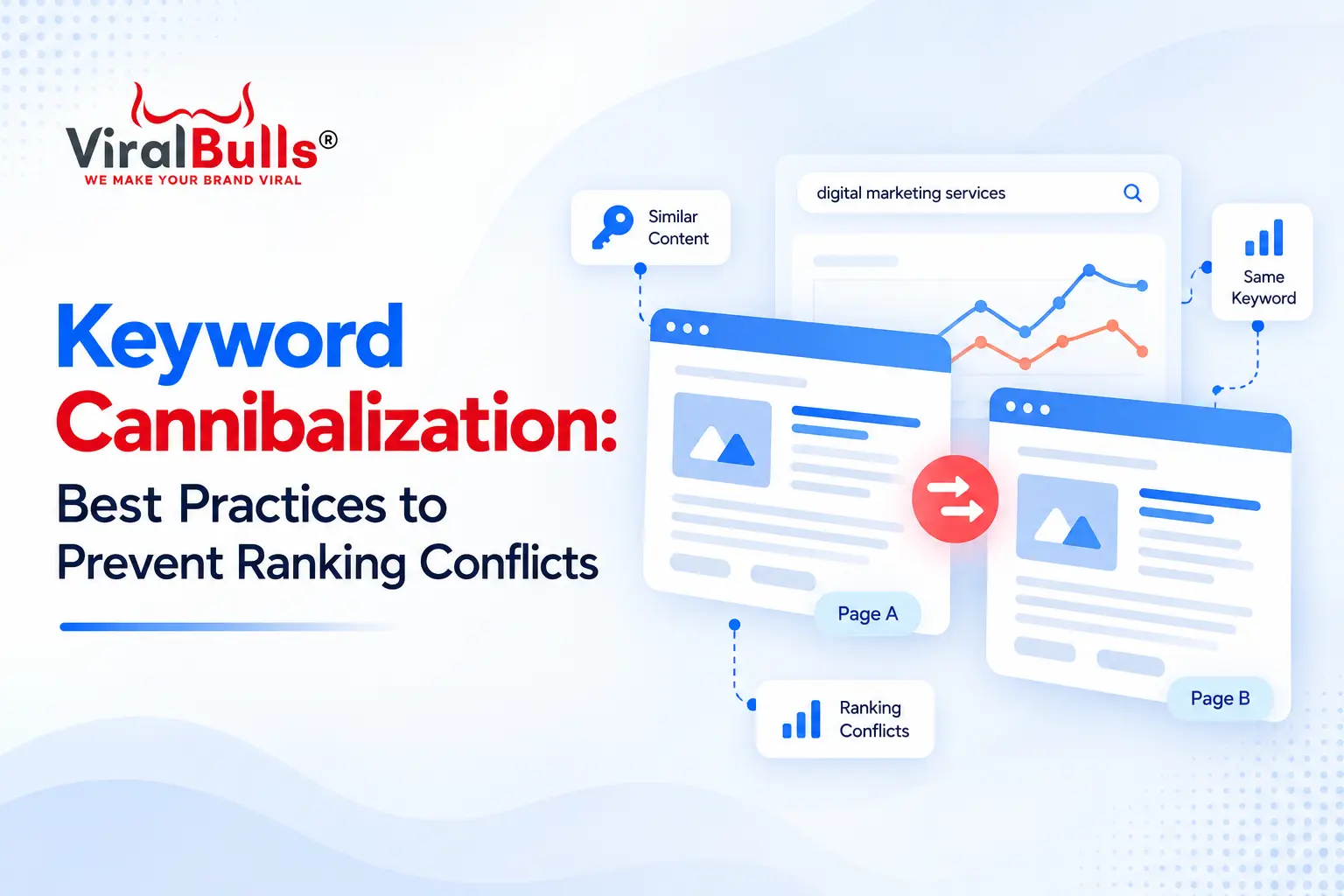
Keyword cannibalization occurs when two or more pages on the same website target identical or closely related keywords with substantially similar search intent, potentially affecting their combined organic performance.
For example, a digital marketing agency might publish these articles:
- Best SEO Strategies for Small Businesses
- Effective SEO Techniques for Small Businesses
- How Small Businesses Can Improve SEO
Although the titles differ, all three articles could answer nearly identical questions.
If the content largely overlaps, combining the information into one comprehensive resource may produce a better experience for readers.
However, having multiple pages ranking for the same keyword does not automatically indicate a problem.
A website may have an educational article explaining SEO services and a commercial landing page offering those services. Both could appear for similar searches while serving different purposes.
The important distinction is whether the pages satisfy the same user need and whether their overlap is affecting organic performance.
Why Does Keyword Cannibalization Matter for SEO?
Unnecessary competition between similar pages can create several challenges for website owners.
1. Unstable Keyword Rankings
One potential symptom of SEO keyword cannibalization is frequent movement between ranking URLs.
For example, Google may show one blog post for a query during one period and another similar post later.
Ranking fluctuations alone are not proof of cannibalization. Algorithm updates, competitors, and changing search behaviour can also influence positions.
However, repeated URL switching between pages serving the same search intent deserves investigation.
2. Inefficient Use of Internal Links
Internal links help users discover related content and provide search engines with information about website structure.
When several pages cover almost identical topics, internal links may point toward different URLs without a clear reason.
A better internal linking strategy establishes which page serves as the primary resource and connects relevant supporting pages to it.
3. Reduced Content Effectiveness
Publishing several similar articles can require more time and maintenance than improving one authoritative resource.
Instead of repeatedly covering the same subject, businesses can use their content budget to address unanswered customer questions.
Content consolidation may be useful when existing articles contain complementary information but satisfy the same search intent.
4. Poorer User Experience
Visitors expect each webpage to offer a clear purpose.
If several articles repeat the same information with slightly different headings, readers may struggle to find the most complete answer.
A well-organized website makes it easier to navigate between introductory guides, detailed tutorials, service pages, and related resources.
What Causes Keyword Cannibalization?
Most keyword cannibalization issues develop gradually rather than through a single mistake.
Publishing Similar Blog Topics
Content teams sometimes create articles based on keyword variations without checking whether existing pages already address the same subject.
For example, separate articles targeting “SEO audit checklist” and “website SEO audit checklist” may be unnecessary if both answer the same question.
Lack of Keyword Mapping
Without keyword mapping, different pages may be assigned similar primary keywords and identical search intent.
This is particularly common on websites managed by multiple writers or SEO professionals.
Creating Overlapping Service Pages
A business might create separate pages for “digital marketing services,” “online marketing services,” and “internet marketing services.”
These pages can be useful if they represent genuinely different offerings. If the services and content are effectively identical, the website may benefit from a clearer structure.
Publishing New Content Without Updating Old Pages
Older blog posts can remain indexed long after newer versions are published.
If the updated article covers the same information, maintaining both URLs may create unnecessary overlap.
A content audit helps identify these situations before they become persistent ranking conflicts.
How to Identify Keyword Cannibalization Issues
Before changing any pages, collect evidence that a genuine problem exists.
1. Use Google Search Console
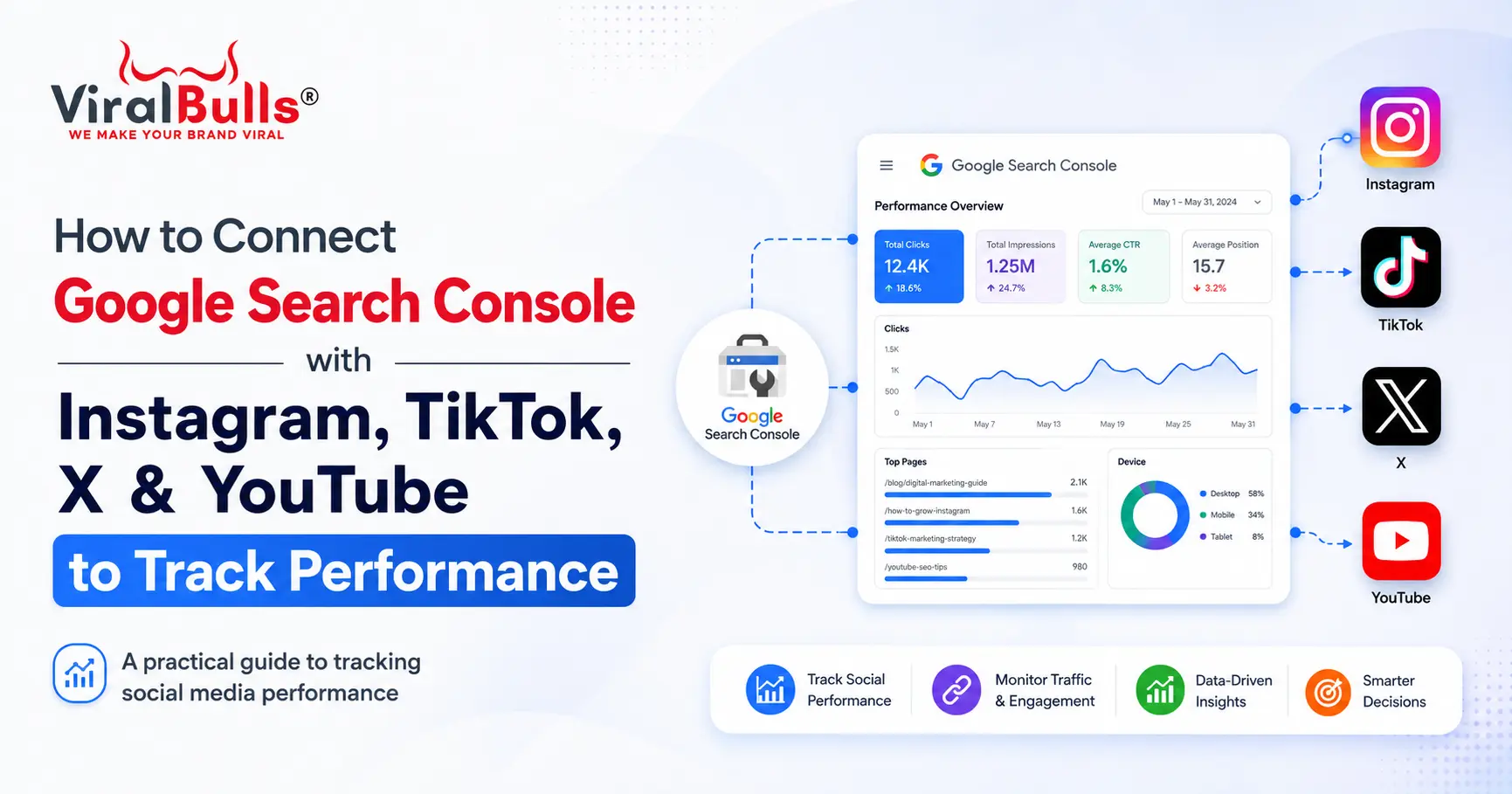
Google Search Console is a useful starting point for investigating keyword cannibalization.
Follow these steps:
- Open Google Search Console and select your website.
- Navigate to Performance and open Search results.
- Select a relevant search query.
- Open the Pages tab to see which URLs receive impressions and clicks.
- Compare their performance over a suitable period.
- Review whether those pages answer the same search intent.
Pay attention to cases where multiple similar URLs receive impressions for the same query and the preferred page struggles to maintain visibility.
Search Console provides performance data, but it does not automatically diagnose cannibalization.
2. Use an SEO Keyword Cannibalization Checker
SEO tools such as Ahrefs and Semrush can help identify overlapping keyword rankings.
A keyword cannibalization checker may reveal multiple URLs ranking for the same query, historical ranking changes, and competing pages.
In Ahrefs, for example, the Organic Keywords report offers a filter for keywords associated with multiple ranking URLs.
These reports are useful for identifying candidates for further investigation.
They should not be treated as instructions to merge every flagged page.
3. Conduct a Content Audit
A keyword cannibalization audit should examine the purpose and performance of each relevant page.
Record the following information:
| Audit Element | What to Review |
|---|---|
| Primary keyword | Main keyword targeted |
| Search intent | Informational, commercial, transactional, or navigational |
| Page URL | Existing content location |
| Organic performance | Clicks, impressions, rankings, and conversions |
| Content overlap | Similarity with other pages |
| Backlinks | Valuable links pointing to the page |
| Recommended action | Keep, improve, merge, or redirect |
This information helps distinguish genuine SEO ranking conflicts from useful topical coverage.
How to Fix Keyword Cannibalization
Once you have confirmed that overlapping pages are limiting performance, choose a solution based on their content and business value.
1. Consolidate Similar Content
Content consolidation is often appropriate when multiple articles answer the same question.
Suppose a website has two posts:
“How to Improve Website Speed”
“Website Speed Optimization Tips”
If both provide substantially similar guidance, combining their strongest sections into one comprehensive article may make sense.
Choose the destination URL after reviewing traffic, backlinks, conversions, and relevance.
If retiring an old URL, implement a permanent 301 redirect to the most relevant retained page.
2. Improve Search Intent Targeting
Sometimes two pages share a keyword but should remain separate.
For example:
- “What Is Technical SEO?” serves informational intent.
- “Technical SEO Services” serves commercial intent.
These pages address different stages of the customer journey.
Improve their titles, headings, content, and internal links so their individual purposes are clear.
Do not merge valuable pages simply because they rank for overlapping terms.
3. Strengthen Internal Linking
Internal links should reflect the relationship between pages.
A comprehensive SEO guide might link to dedicated articles covering technical audits, keyword research, and on-page optimization.
Those supporting articles can also link back to the broader guide when relevant.
Use descriptive anchor text and avoid forcing the same exact-match keyword into every link.
4. Use Canonical Tags Appropriately
Canonical tags help search engines identify a preferred URL when multiple pages contain duplicate or very similar content.
They are useful for situations such as duplicate product URLs or alternate versions of the same webpage.
However, canonical tags should not be used as a general solution for pages that cover related subjects but contain distinct information.
For genuine keyword cannibalization issues involving separate articles, content consolidation or clearer intent targeting may be more suitable.
5. Remove Outdated Pages Carefully
Some pages may no longer provide meaningful value.
Before removing a page, check whether it receives organic traffic, attracts backlinks, supports conversions, or ranks for unique queries.
If a relevant replacement exists, redirect the old URL.
Avoid deleting or applying noindex tags to pages solely because they share keywords with another URL.
Best Practices to Prevent Keyword Cannibalization
Preventing keyword cannibalization is usually easier than repairing a large collection of overlapping articles.
Create a Keyword Mapping Document
Assign each important keyword cluster to a primary URL.
A keyword mapping document should identify the target keyword, supporting terms, search intent, content type, and destination page.
Review the document before approving new content topics.
Build Topic Clusters
Organize related content around a central topic.
For example, a main SEO guide can link to supporting articles about keyword research, technical SEO, local SEO, and content optimization.
Each supporting article should address a distinct question or requirement.
This structure allows a website to cover a subject thoroughly without repeating the same information across several pages.
Review Existing Content Before Publishing
Before writing a new article, search your website for similar topics.
Ask whether the proposed article provides a genuinely different perspective or satisfies a separate search intent.
If an existing page already answers the question, updating it may be more useful than publishing another URL.
Monitor Organic Search Performance
Review Google Search Console regularly to identify unusual ranking changes, declining clicks, and overlapping queries.
Investigate patterns rather than reacting to individual ranking fluctuations.
A monthly review may be sufficient for many smaller websites, while large content-heavy websites may need more frequent monitoring.
Maintain a Clear Content Strategy
Every page should have a defined purpose.
Informational blogs should answer relevant questions. Service pages should explain offerings and help customers evaluate providers. Product pages should support purchasing decisions.
When these purposes are clear, content planning becomes more efficient.
Keyword Cannibalization vs. Duplicate Content
Keyword cannibalization and duplicate content SEO issues are related but different.
Duplicate content involves identical or substantially similar content appearing at multiple URLs.
Keyword cannibalization concerns pages competing for the same search intent in ways that may reduce overall organic performance.
Two articles can contain entirely different wording yet still create cannibalization if they answer the same question without adding meaningful differences.
Similarly, duplicate URLs can exist for technical reasons without necessarily creating a harmful keyword cannibalization problem.
Identifying the underlying issue is essential before selecting a solution.
Conclusion
Keyword cannibalization should be evaluated through search intent, page performance, and the value each URL provides.
The presence of overlapping keywords is not enough to justify deleting or merging content.
A structured keyword mapping process, regular content audits, and a clear internal linking strategy can help businesses prevent unnecessary SEO ranking conflicts.
When a genuine problem appears, improving page differentiation or consolidating redundant information may support stronger organic search performance.
The goal is to maintain a website where every important page has a useful purpose and visitors can find the information they need.
Frequently Asked Questions
1. What is keyword cannibalization in SEO?
Keyword cannibalization occurs when multiple pages on the same website target similar keywords and search intent in a way that may reduce their combined organic performance.
2. How do I check keyword cannibalization on my website?
Use Google Search Console to identify multiple URLs receiving impressions for the same query. Compare their search intent, ranking history, traffic, and content. SEO tools can help identify additional overlapping pages.
3. Does keyword cannibalization always affect Google rankings?
No. Multiple pages can rank for the same keyword without causing problems, particularly when they serve different search intents. Changes are necessary only when there is evidence that overlapping pages are limiting performance.
4. How can I fix keyword cannibalization without losing traffic?
Start with a content audit. Preserve pages serving distinct purposes. When merging redundant content, select the strongest destination URL, retain valuable information, update internal links, and implement appropriate 301 redirects. Monitor results after making changes.
5. Can internal linking fix keyword cannibalization?
Internal linking can clarify page relationships and help users navigate related topics. However, it may not resolve substantial content overlap on its own. Some situations require rewriting, differentiating, or consolidating pages.
6. What is the best keyword cannibalization checker?
Google Search Console is a useful free starting point. Ahrefs and Semrush provide additional keyword overlap and ranking-history reports. No single tool can determine every genuine cannibalization issue without reviewing search intent and performance.
7. Is keyword cannibalization the same as duplicate content?
No. Duplicate content involves identical or highly similar material across URLs. Keyword cannibalization concerns competing pages that satisfy the same search intent, even when their wording differs.
8. How often should I conduct a keyword cannibalization audit?
For most business websites, reviewing overlapping keywords during quarterly content audits is a reasonable starting point. Websites publishing frequently may benefit from monthly reviews, especially after major content updates.